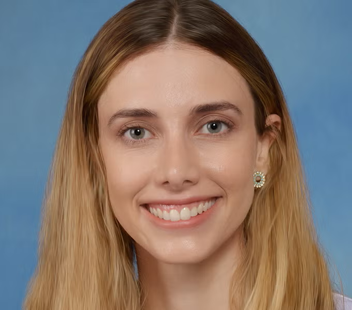
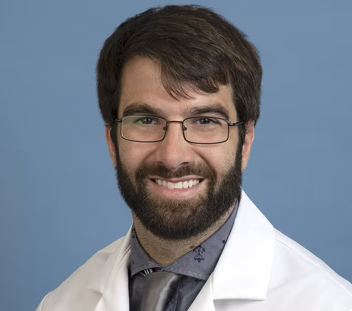
Immune checkpoint inhibitor induced myasthenia and myopathy
Resident: Dr. Pucci Mentor: Dr. Sun
•Immune checkpoint inhibitor (ICI)-induced myopathy and myasthenia gravis has been studied but limited data is available so far, so describing a group of patients from UPMC and documentation of treatment, clinical profile, and workup will be helpful for further research.
•Our long term goal is to identify the profile of patients who developed severe ICI induced MG and myopathy, so in the future they would benefit from a discussion of how much the ICI can actually be harmful for them in case we find strong connections/risk factors.
•By creating a patient profile on these subgroup of population, having the opportunity to select patients who are maybe better candidates for ICI in the first place is beneficial and can impact further care. Risk factors for severe disease or factors associated with high mortality will also indicate people who may benefit from any sort of pre-treatment or closer monitoring.
Dr. FloundersDr. Patira
Mapping blood-based biomarker and cognitive trajectories in the Alzheimer's Therapeutics Registry (ALTER)
Resident: Dr. Flounders Mentor: Dr. Patira
•My project aims to characterize cognitive, biomarker, and neuroimaging trajectories in patients with Alzheimer’s disease undergoing anti‑amyloid infusion therapies by developing a comprehensive clinical and biomarker database. Primarily, I am determining how plasma p‑tau217 and related biomarkers change over time and how these changes relate to treatment response, safety, and cognitive outcomes.
Build and curate a secure patient database integrating demographics, clinical features, comorbidities, CSF and blood biomarker results, and neuroimaging data.
Implement and coordinate safety‑monitoring protocols for anti‑amyloid‑related adverse events, particularly ARIA, using high‑field MRI and clinical scales.
Longitudinally assess cognitive performance and model trajectories with plasma biomarkers and imaging measures at 6‑, 12‑, 18‑, and 24‑month follow‑up visits
Dr. KhanDr. Sejvar
Treatment of Lyme Neuroborreliosis
Resident: Dr. Khan Mentor: Dr. Sejvar
• Our study addresses uncertainty in the optimal treatment of Lyme neuroborreliosis, particularly the choice between intravenous antibiotics and oral doxycycline and the unclear role of corticosteroids.
• Variability in current guidelines and clinical practice is especially relevant in Lyme-endemic Western Pennsylvania within the UPMC health system.
• A retrospective chart review of patients admitted from 2014–2025 will be conducted to characterize clinician antibiotic prescribing practices.
• Patient outcomes will be compared between those treated with IV antibiotics versus oral doxycycline and between those treated with or without concurrent steroids.
• The results will provide U.S.-based observational data to help inform future system-wide and potentially national treatment guidelines for Lyme neuroborreliosis.
Dr. KerrDr. Iyer
Risk factors for functional seizures
Resident: Dr. Iyer Mentor: Dr. Kerr
•Our study addresses the clinical challenge of distinguishing functional seizures from cases where functional seizures co-occur with epileptic seizures, which is critical for safe antiseizure medication management.
• It introduces a standardized stratification system, modeled after International League Against Epilepsy (ILAE) criteria, to define levels of evidence for co-occurring epilepsy in patients with functional seizures.
• In a retrospective chart review of 467 patients with documented functional seizures, structured “concern criteria” were used to categorize patients by likelihood of co-occurring epilepsy.
• Most patients (62.6%) were classified as “unlikely” to have epilepsy, while 11.5% had high-certainty co-occurring epilepsy, and the remainder fell into intermediate categories requiring further evaluation.
• This framework aims to standardize care, support appropriate ASM discontinuation, reduce unnecessary treatment, and guide future studies on ASM withdrawal across stratification categories.
Training Verification Requests
Click on the link below to fill out a UPMC GME Training Verification Request Form.
For training verification for the Endovascular/ Interventional Neurology, Movement, or Multiple Sclerosis fellowships, please contact Abigail Biery directly at bieryak@upmc.edu.